

Where Spring Waits Behind Stone Walls, by Andrew Jackson


Welcome to our first blog post of 2026!
We are thrilled to bring you Andrew Jackson’s most recent piece of writing, inspired by our beautiful garden.
We recommend making yourself comfortable and letting Andrew’s words gently guide you out of the darkness of the winter months, and be a reminder that there is an element of intrigue and enchantment around a garden that is patiently waiting to welcome spring and to open the gates to followers, old and new, once more.
Over to Andrew…
Where Spring Waits Behind Stone Walls
Beyond the market square where the brick still holds the shape of voices and hooves and old bargaining, beyond the slow curve of the road as it turns its shoulder to the moor, there stands the walled garden at Helmsley, patient as bread dough left to rise. It is a place that knows how to wait. Winter has lain over it like a folded coat, not abandoned, merely set aside until needed again. The walls have stood firm, thick with years and weather, keeping what little warmth they can gather pressed close to the soil. From the outside nothing appears to move, yet within there is a gathering of intention, a quiet leaning towards light.

All through the colder months the garden has been alive in its own inward way. Beds lie dark and mild, smelling of loam and decay and promise. Spades rest against walls, their work remembered in the smoothness of turned earth. Fruit trees stretch their limbs slowly, counting the hours of frost and release. If you stand long enough and listen, you might hear it, the smallest sound of preparation. A root nudging deeper. A worm stitching the soil back together. A seed drawing itself into readiness like a held breath.
The walls themselves are the first to know when the season begins to turn. They catch the thin winter sun and keep it, brick passing warmth from one block to the next like a secret. Moss glows brighter. Lichen sharpens its colours. Rain runs down the face of the stone and sinks into the ground with a softer sound. Even before the garden opens its gates, spring begins to practise its touch here, tentative at first, then more certain, as if reassured by the shelter and the long memory of growth.

When the garden reopens in spring it will not announce itself with ceremony. It never has. The gates will swing wide and visitors will step in as though entering a room that has been tidied and aired but remains deeply familiar. The first impression is always of enclosure, of being held. Sound drops a little. The wind loses its edge. Voices soften without knowing why. It is a place that asks you to slow your pace, not with instruction but with invitation.
Green will come in layers and languages. There will be the raw brightness of young leaves, almost too vivid to believe, and the steadier tones of herbs waking into scent at the brush of a hand or hem. Shoots will break the surface of the beds with the confidence of those who know the ground well. Rows will be straight at first, later relaxing into abundance. Tulips will lift their heads and then open themselves to the day, each colour held briefly before giving way to the next chapter. Blossom will appear as if overnight, white and pink drifting down onto paths like confetti after a quiet celebration.

Bees will arrive early, bumbling and purposeful, already late for something. They will test the air, circle once or twice, then set to work. Birds will use the garden as a meeting place, darting from wall to branch, branch to bed, their songs ricocheting gently in the contained space. Somewhere water will trickle, lifted and poured and lifted again, its sound threading through the whole like a repeating thought.
To walk the paths then is to feel time loosen its grip. The past and present sit easily together here. Old varieties and new hands share the work. Tools shine from use rather than novelty. Labels tell their small stories, reminding you that food has names and seasons and histories of its own. You are never just looking. You are remembering and anticipating at the same time, held between what has been and what is about to begin.
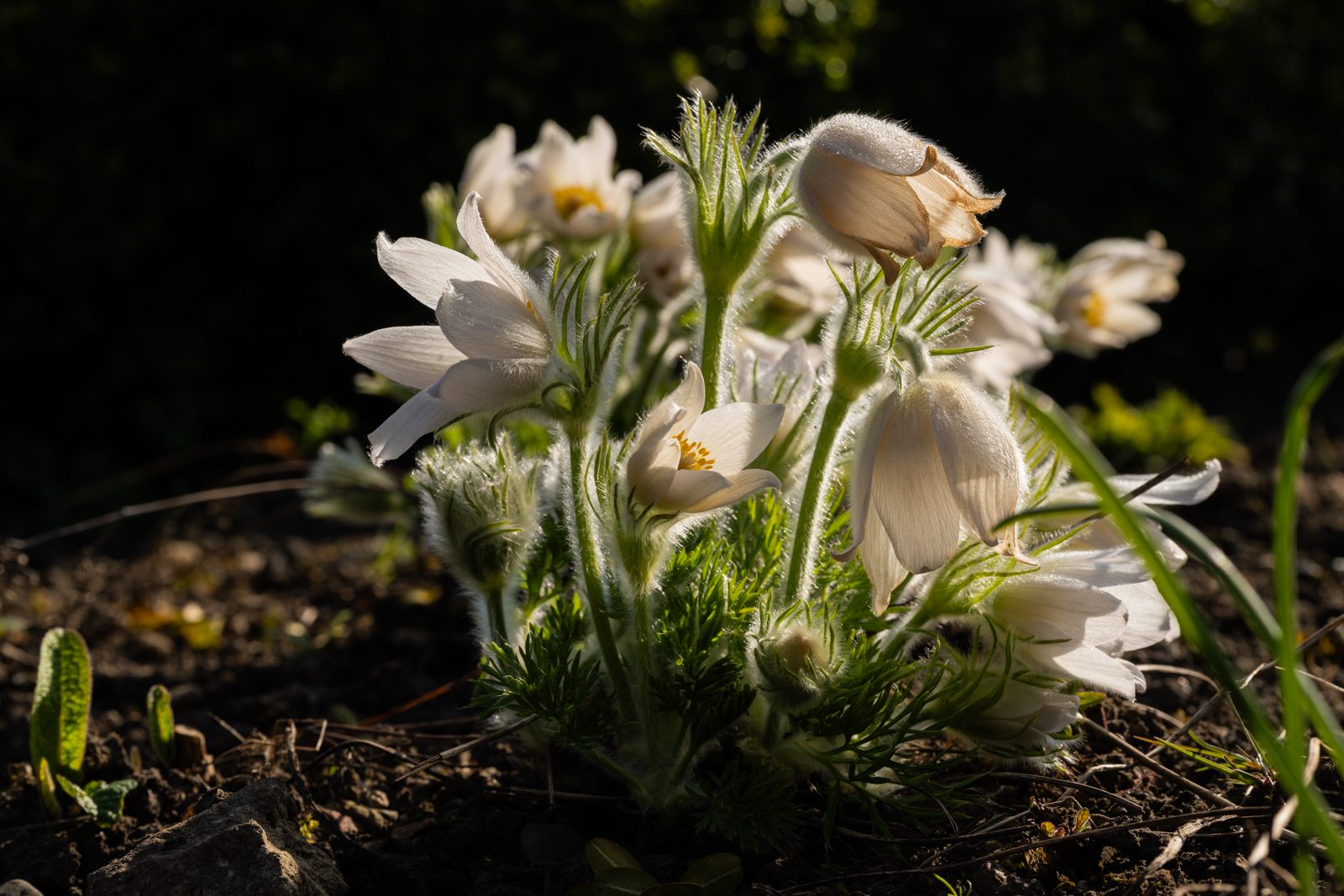
Children will stoop to inspect the ground, certain that marvels lie close to their shoes. They will find them too, in beetles and unfurling leaves and the smell of earth that needs no explanation. Adults will follow more slowly, rediscovering the same wonders by another route. Hands will brush against rosemary and thyme, carrying the scent onward. A bench will offer rest and reflection. From it the garden seems to breathe, a steady rhythm of growth and pause and growth again.
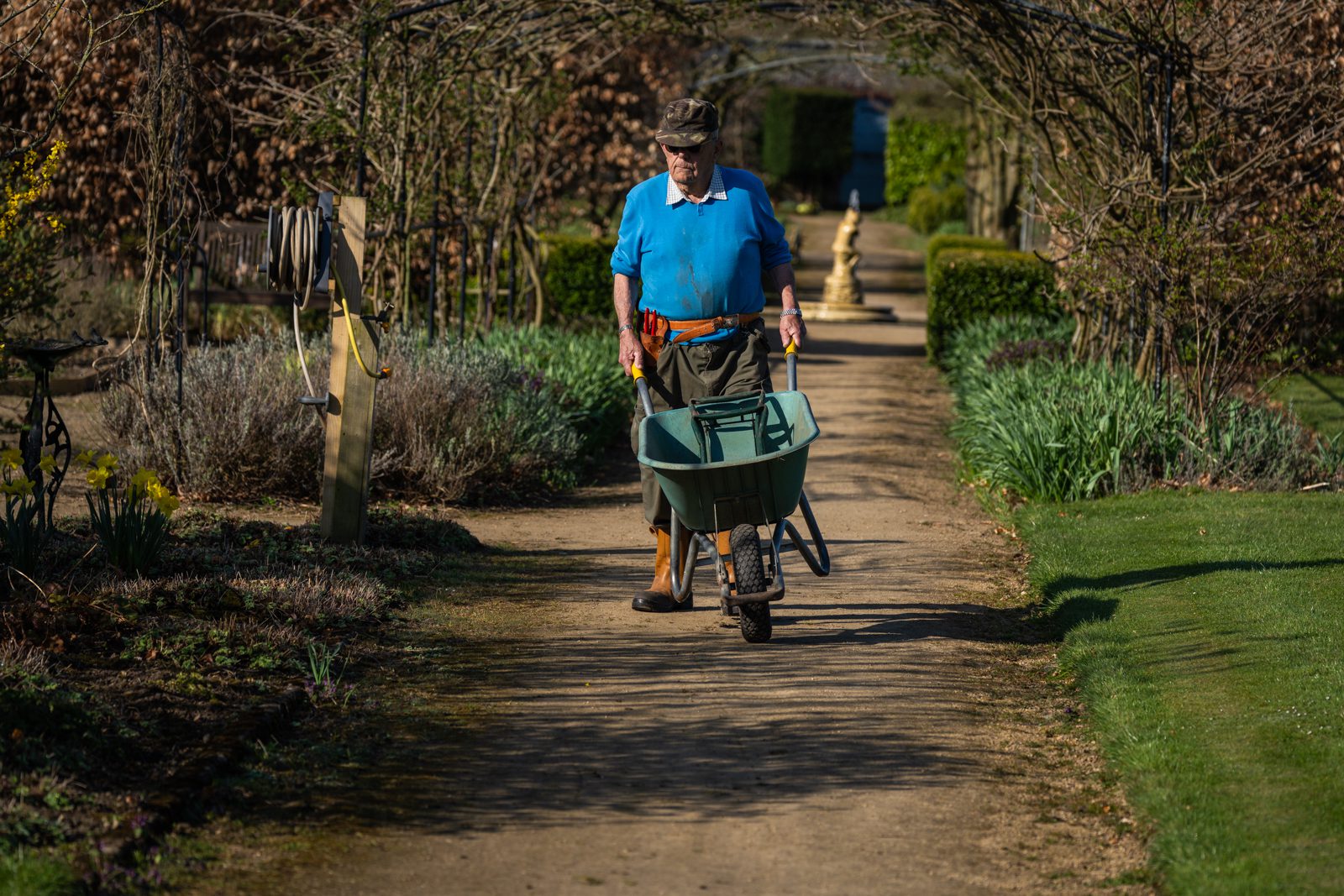
There is something about a walled garden in spring that feels both intimate and generous. It gives itself without display. It does not rush. Here abundance is not loud. It arrives steadily and stays. The walls do not confine so much as concentrate life, focusing light and labour and care into a place where small things matter and are noticed. You leave with soil on your shoes and a calmer heart, as if the garden has done some quiet work on you too.
When Helmsley walled garden opens again this spring it will feel less like a reopening than a return. As though the door had been briefly closed to keep the warmth in and is now swung wide again for company. The season will step inside and take its place among the beds and borders, humming softly to itself. And those who enter will sense it at once, that old reassurance, that here things grow, here time is measured kindly, and here spring always finds its way home.
Andrew Jackson
Andrew (pictured below) is a new build gardener and the visionary founder of the New Build Manifesto, a campaign championing better access to and higher quality new build spaces. As an award-winning garden designer and writer who was featured on BBC Gardeners’ World in June, 2025, Andrew embodies the creativity and passion that comes from time spent outdoors, in nature.
Follow Andrew’s journey via the links below:
Scribehound Gardening
@thenewbuildmanifesto
Photo credits – Colin Dilcock, Stephen Barstow
 Filed under: Blog
