

The Long Work of Growing, by Andrew Jackson

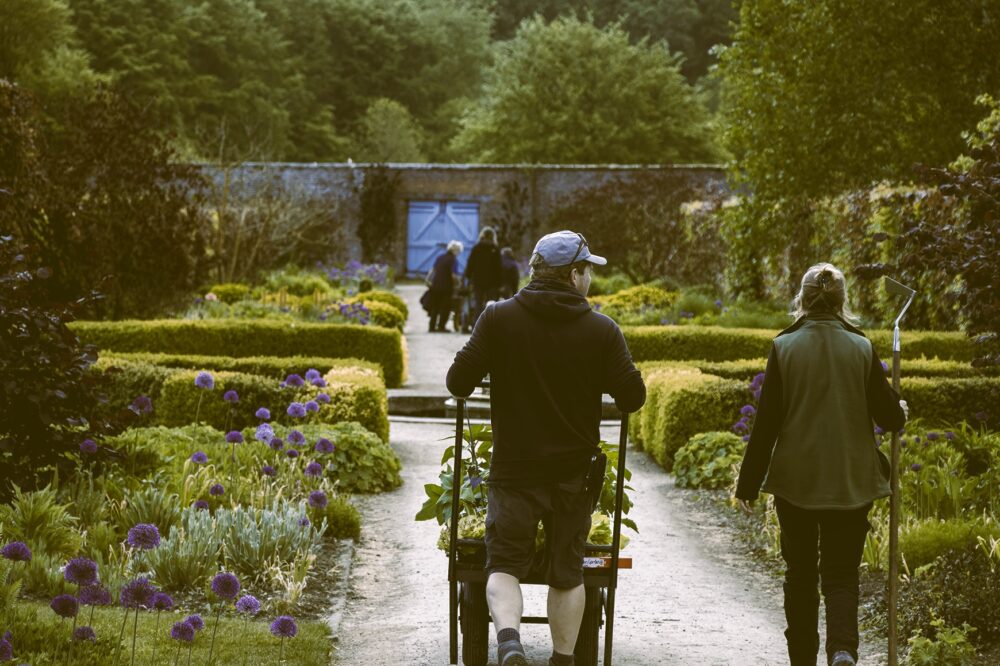
This month our resident writer, Andrew Jackson, has treated us to an enchanting poem full of gratitude and nostalgia for this gentle space.
We encourage you to find a quiet corner, take some time for yourself, and allow Andrew’s words to carry you through the garden…
The Long Work of Growing
The walls are old enough to remember
horses steaming in winter,
boots thick with clay,
gardeners whose names have slipped
through the cracks in the years
like seeds through fingers.
Red brick, weather scabbed and lichen mapped,
patched with moss and the handwriting of rain,
they hold their own weather.
Step through the gate
and the temperature changes by a degree or two,
just enough to notice.
Outside, traffic drifts along the road,
someone checks their phone,
a dog barks from a distant garden.
Inside,
the day settles differently.
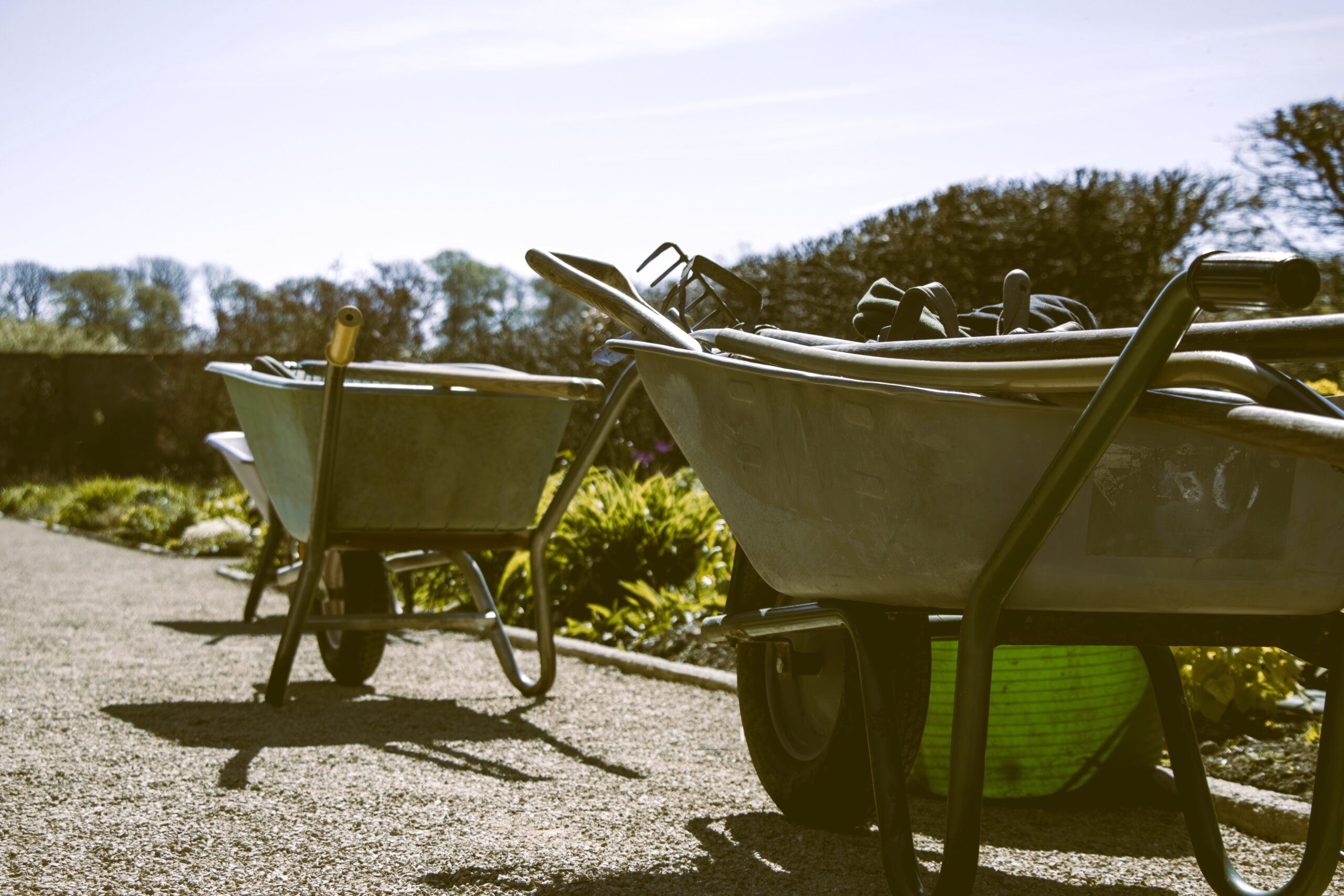
A robin lifts from a wheelbarrow
and vanishes into the espaliered trees
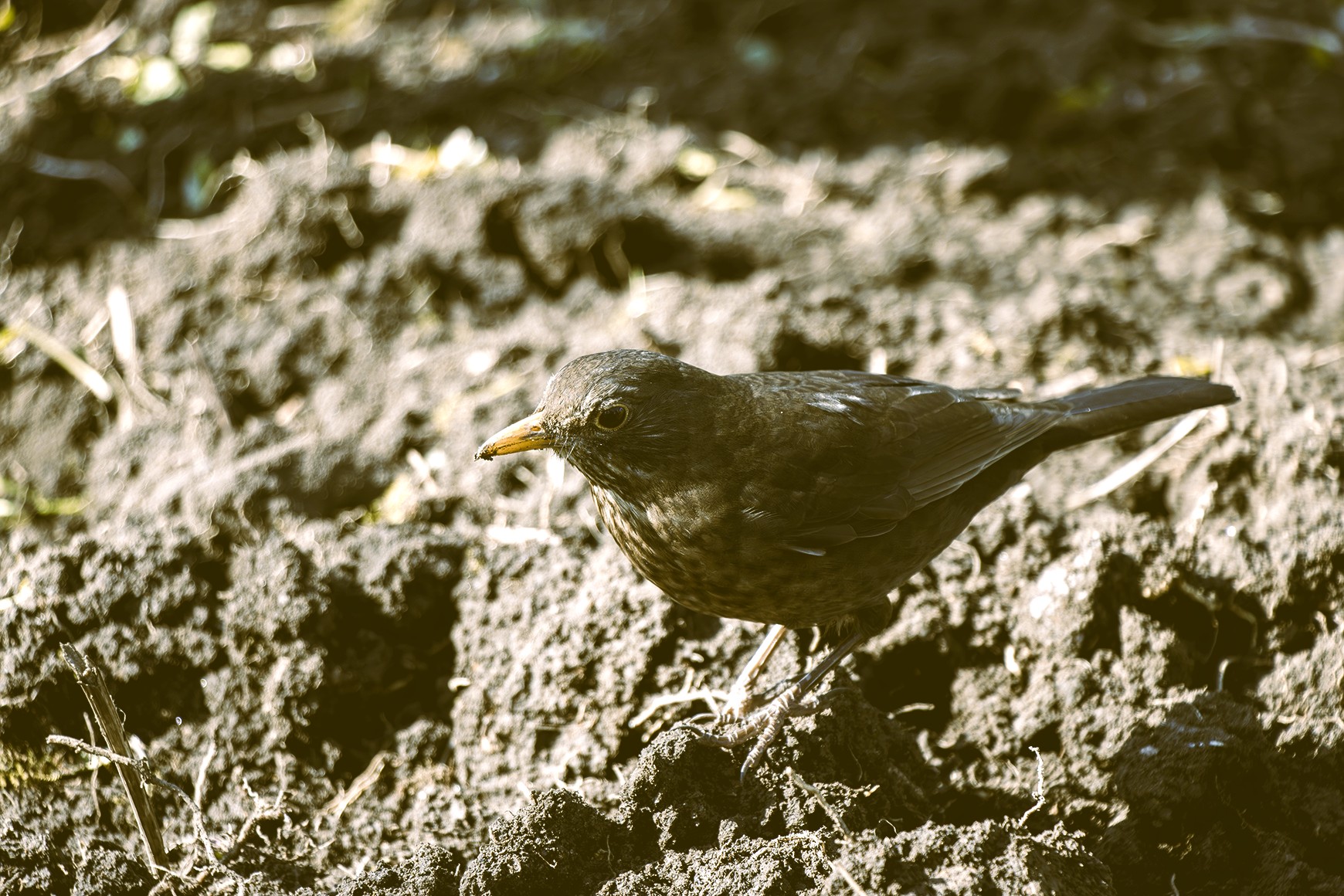
A blackbird patrols the borders
with the swagger of a landlord.
 The gravel paths answer every footstep.
Nothing hurries.
The roses are at work already,
opening themselves to the morning,
their petals folded back
like letters read and reread.
Bees stagger among them,
drunk on pollen,
wearing yellow dust on their legs
like miners coming off shift.
The herb garden sends up its signals:
mint,
rosemary,
lavender,
a whole language carried on the breeze.
Run your hand through fennel
and the scent follows you
for the rest of the afternoon,
a small green ghost.
Sweet peas climb for height.
The air is thick with damp earth,
warm glass,
and the sweet rot of leaves
giving themselves back to the soil.
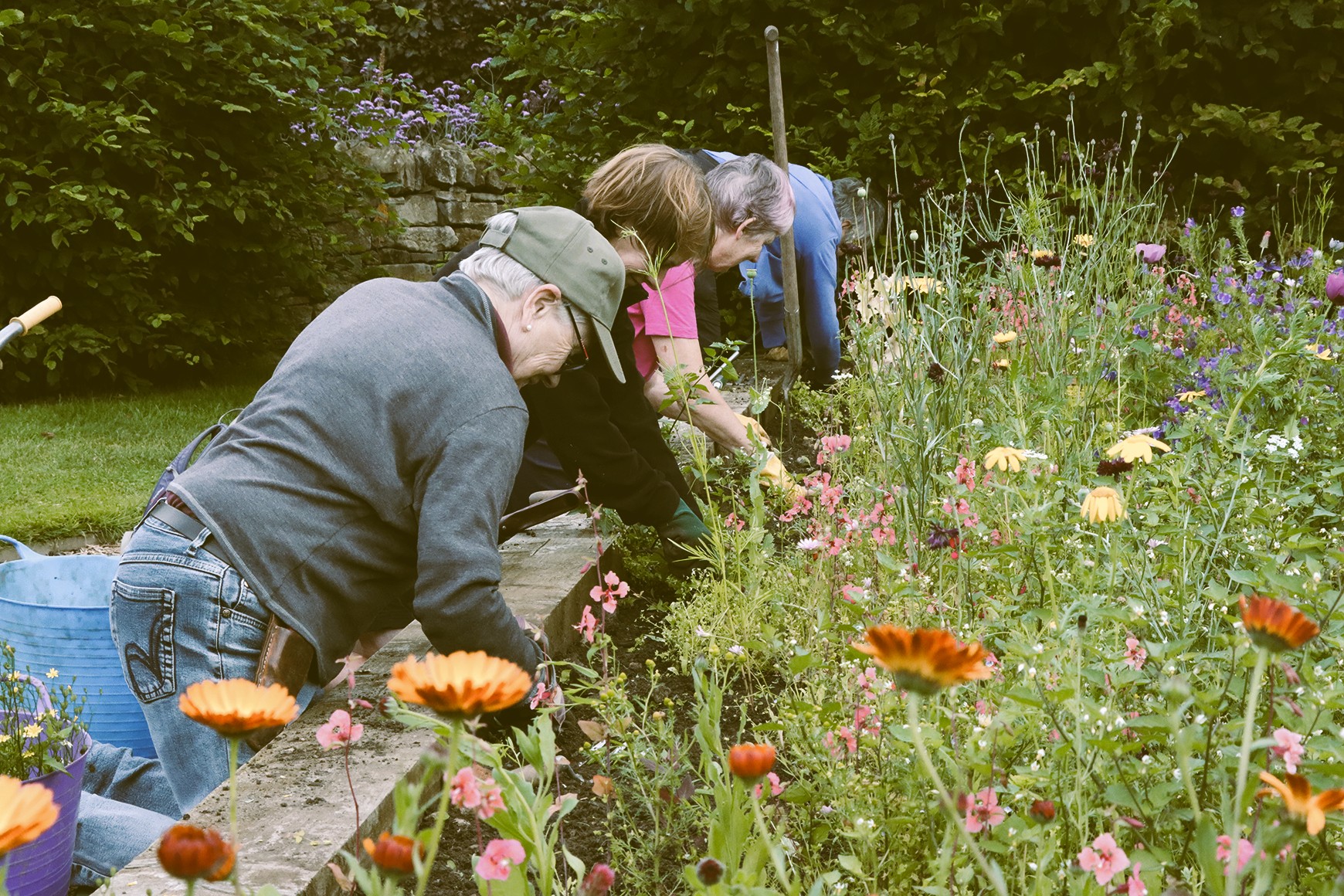
A gardener kneels among the borders,
trowel flashing now and then.
There is something monastic
about the work here.
The thinning.
The staking.
The dead-heading.
The patient faith
that what disappears today
returns tomorrow in another form.
No speeches are made.
No medals awarded.
Only the slow accumulation
of colour and growth.
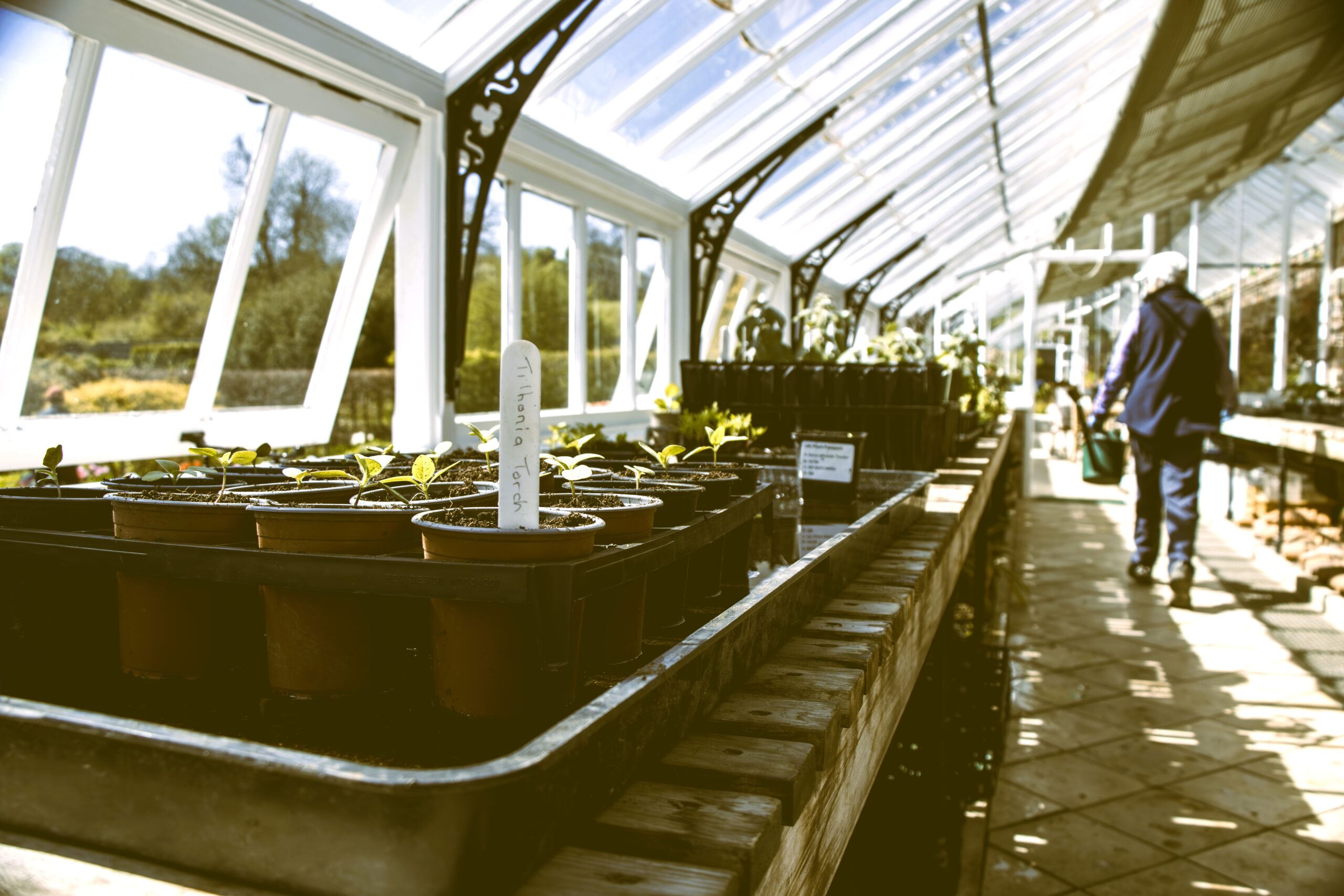
A woman pauses reading the labels.
A child chases a butterfly
that changes direction at the last second,
turning escape into an art form.
Somewhere a gate clicks shut.
The sound travels the length of the garden
and fades.
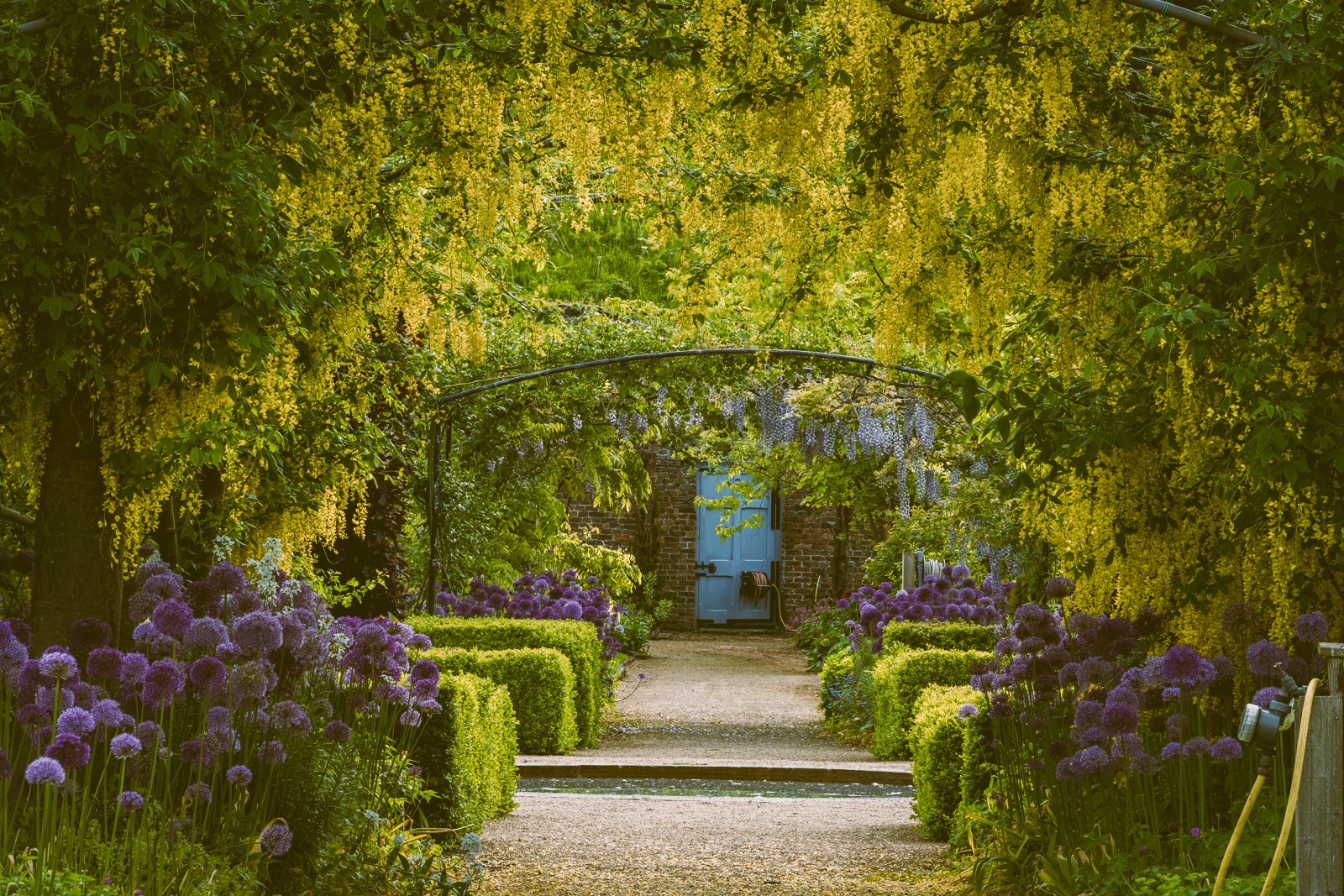
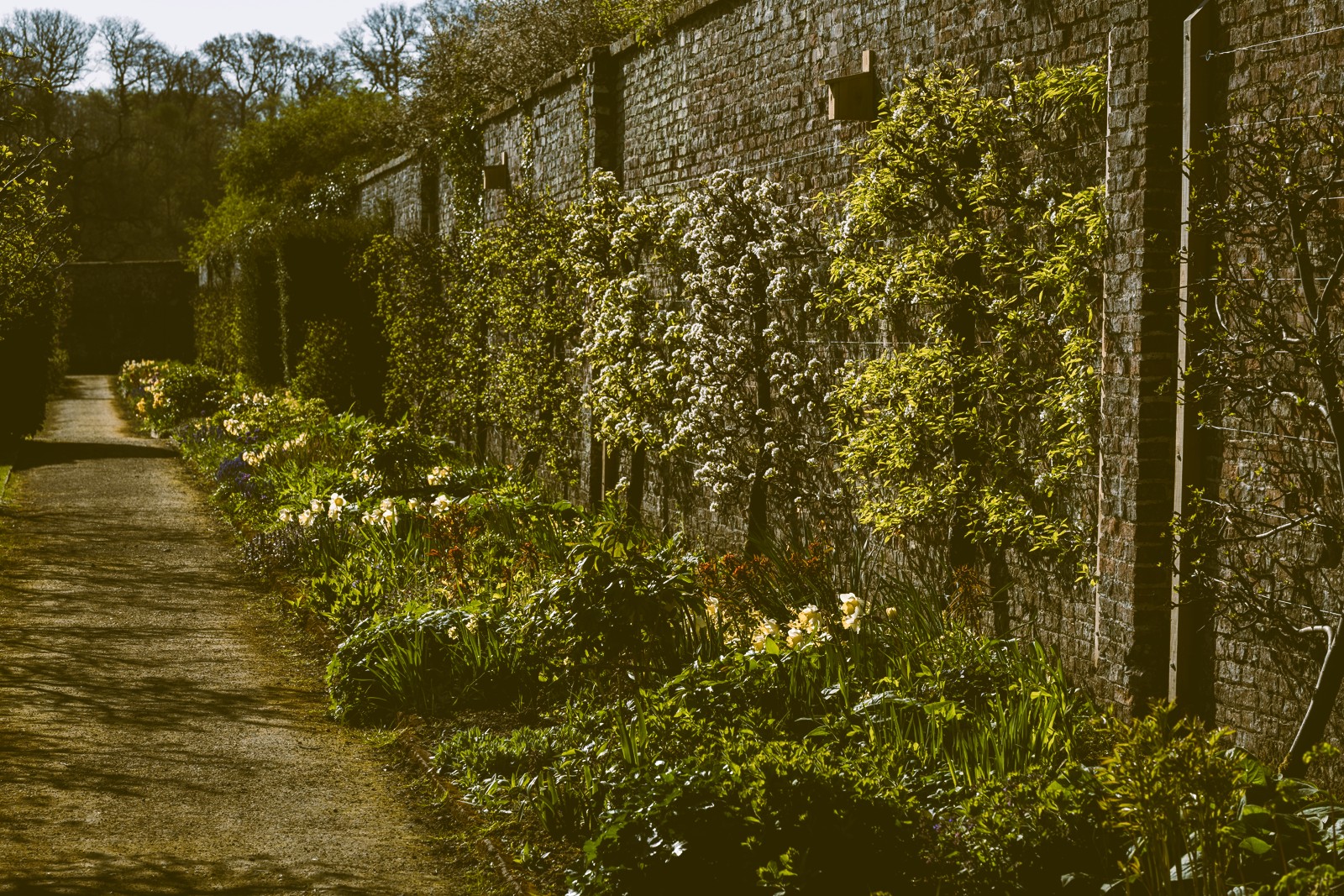
The fruit trees stand in orderly ranks,
their branches trained against brick walls,
a lesson in discipline and abundance.
Pears fatten in the sun.
Plums darken to wine.
Apples carry the weight of autumn
months before it arrives.
Above them,
swifts scribble across the sky,
their calls sharp enough
to cut through thought.
And every now and then
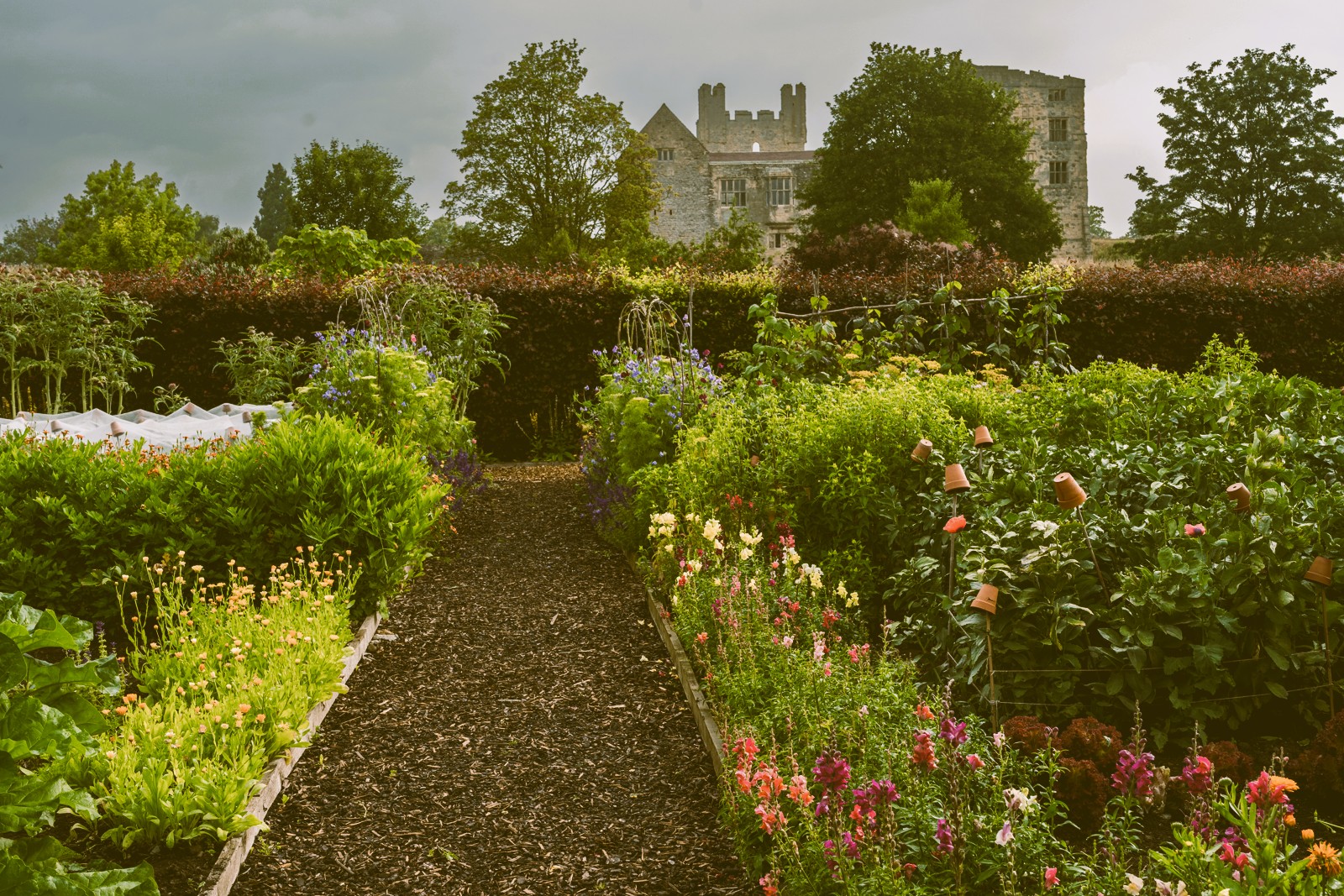
the castle ruins appear beyond the trees,
a glimpse of stone through leaves,
a reminder that permanence
is mostly a rumour.
Because everything here is temporary.
The rose that dazzles in June
will scatter itself by July.
The sweet pea will fade.
The hollyhocks will lean.
Even the walls,
for all their confidence,
are slowly returning to earth,
grain by grain.
Yet the garden answers loss
with repetition.
Seed after seed.
Season after season.
As though it knows something
the rest of us keep forgetting.
You see it in the compost heaps,
where endings are dismantled
and remade.
You see it in the bare patch
where next year’s flowers
are already waiting underground.
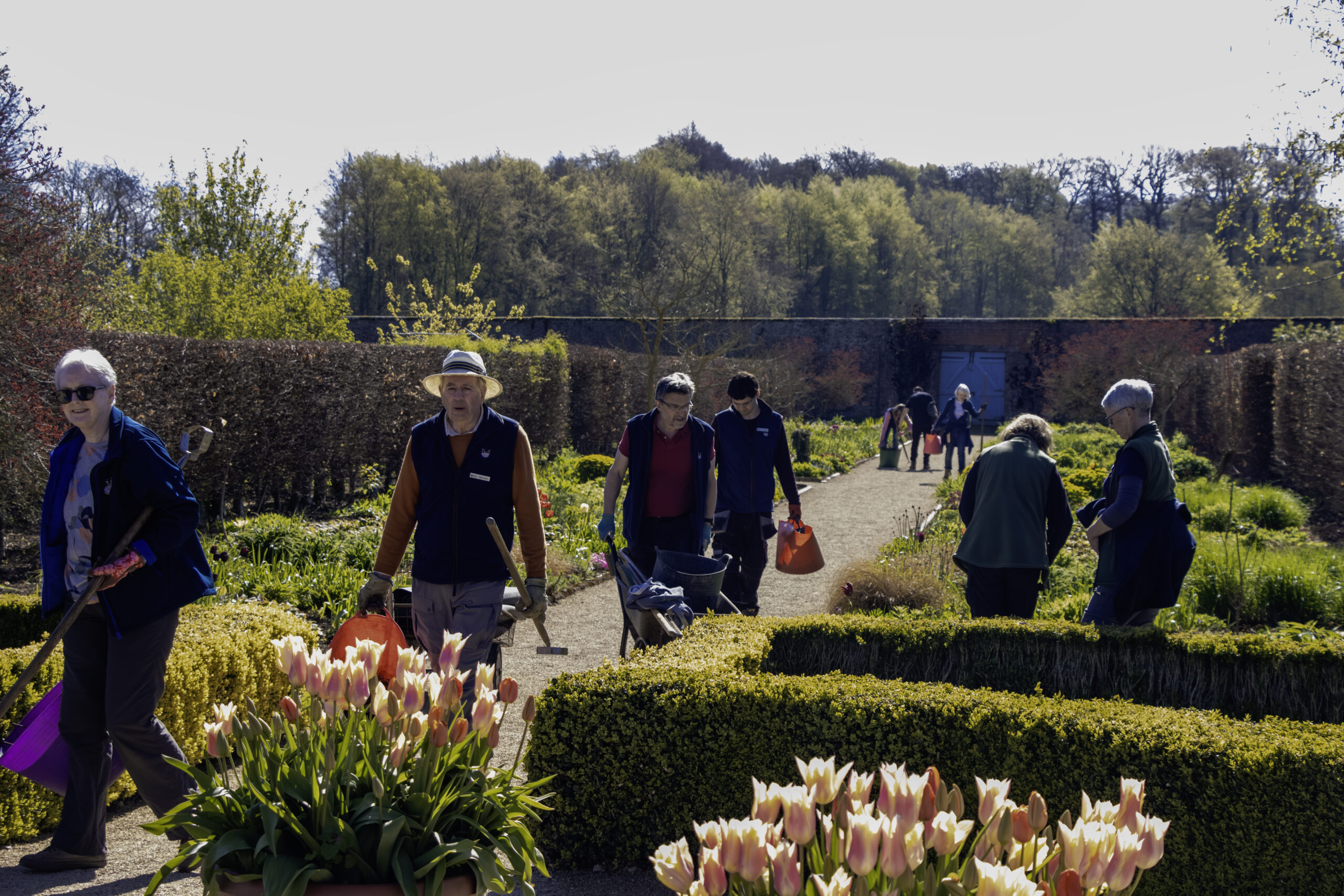
You see it in the gardeners themselves,
moving quietly between the beds,
their work measured not in days
but in years.
By afternoon
the light softens.
Shadows lengthen from the walls.
The flowers glow briefly,
as if lit from within.
A breeze moves through the grasses
and the whole garden seems to breathe.
Not dramatically.
Not enough for anyone to point and say,
look.
Just a shift.
A murmur.
A turning of the page.
And standing there,
among roses and runner beans,
among bees and blackbirds,
among all this careful making,
it becomes possible to imagine
that time is not a river rushing past,
but a garden,
something tended,
something borrowed,
something that flourishes
only because it cannot stay.
Then the gate opens.
Someone leaves.
Someone arrives.
The gravel crunches.
The blackbird keeps watch.
The walls hold their counsel.
And evening settles gently
into the borders,
while another day’s sunlight
is gathered and stored
in petals,
fruit,
seed,
and the dark, generous soil
beneath everything.
Andrew Jackson
Andrew (pictured below) is a new build gardener and the visionary founder of the New Build Manifesto, a campaign championing better access to and higher quality new build spaces. As an award-winning garden designer and writer who was featured on BBC Gardeners’ World in June, 2025, Andrew embodies the creativity and passion that comes from time spent outdoors, in nature.
Follow Andrew’s journey via the links below:
Scribehound Gardening
@thenewbuildmanifesto
Photo credits – Colin Dilcock, Stephen Barstow
 Filed under: Blog, News
