

A Brief Cartography of Scent and Sound, by Andrew Jackson


This month, Andrew’s blog takes on a new dimension with a fascinating piece about the garden from the perspective of a bee!
Enjoy!
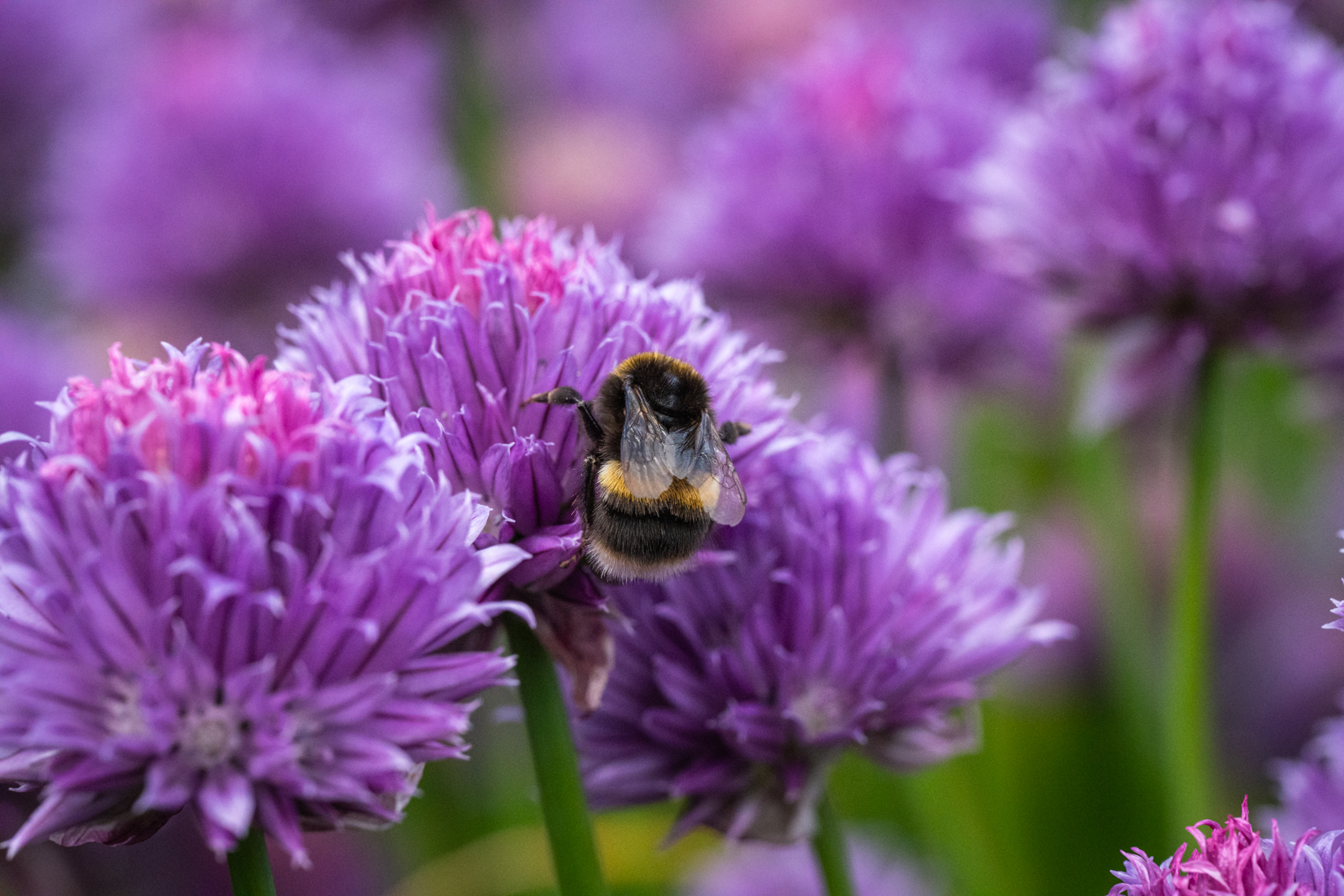
A Brief Cartography of Scent and Sound
I arrive low, under the lip of the wall, where the air is already warmer than the fields beyond. It lifts me without asking, a stored heat rising that has held the day and is reluctant to let it go. I do not think of walls as boundaries. To me, they are currents, surfaces that bend the wind, places where scent gathers and thickens into something legible.
There is much to read here.
The town trails in behind me, though I have not flown through its centre. I carry it in fragments: a sweetness spilled and drying somewhere near the square, the faint oiliness of engines, the dust of stone disturbed by passing feet. These are not distractions. They are part of the same map as the flowers. They tell me where I am as surely as any colour.
I rise along the inner face of the wall, testing the air with small adjustments of wing. There, sharp and green, euphorbia. Not for me. Its signal is bright but closed, a warning wrapped in invitation. I veer, drawn instead to a deeper note: something warm, unfolding. The border is dense, layered, each plant broadcasting its own message, some loud, some almost lost.
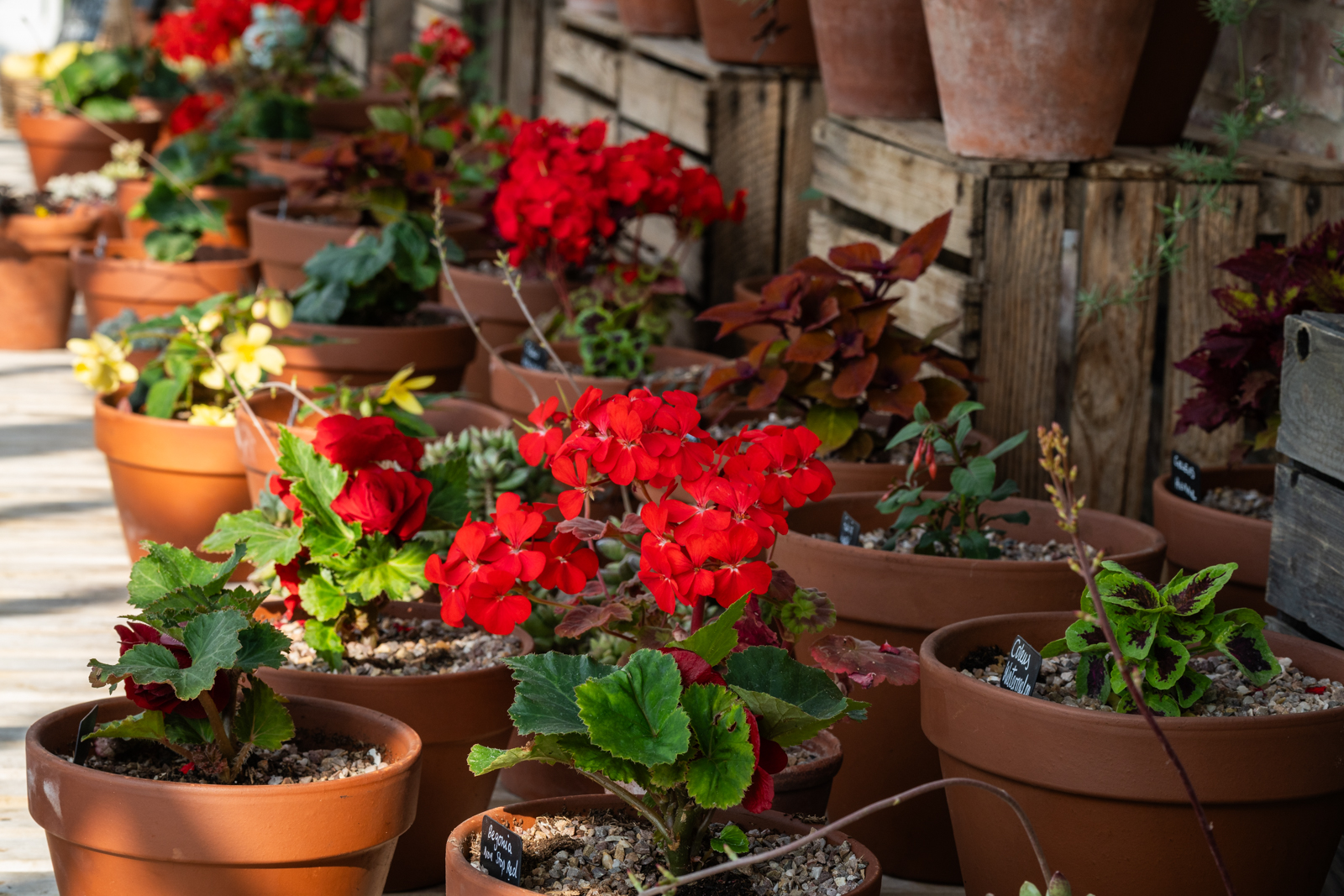
I choose the geranium first. Its flowers are open, uncomplicated, the pollen easy to reach. I land, the petals giving slightly under my weight, and the world narrows to contact: the fine dust clinging to the hairs of my legs, the subtle give of the anthers, the faint, peppered scent rising as I disturb the leaf below. This is work, but it is also a kind of knowing. Each visit alters me, loads me with the garden’s particular mix.
When I lift again, I am heavier, but the air along the wall compensates. It rises in slow, reliable sheets, carrying me past the tightening buds of foxgloves, still closed, their promise not yet available, and towards the tulips, which are already loosening. They are too open now, their centres exposed in a way that feels almost careless. I dip into one anyway, brushing against the dark interior, but there is little reward. Their moment is passing. I move on.

A sound reaches me then, not through ears as such, but as a vibration that travels the air differently from the others. A bell. It comes in measured intervals, each pulse pushing gently against my flight. I adjust without thinking, the rhythm entering me, becoming part of the pattern by which I move. Below it, another thread: the liquid, shifting call of a bird, less regular, more exploratory. These, too, are currents. They shape the space as surely as the wall.
I cross a brief gap where the scent thins and the air cools. Here, the influence of the town is stronger. A trace of something cooked, rich and transient, drifts upward and dissipates before it can settle. I pass through it, carrying a fragment away on my body, though it will not stay. It has no anchor here.
Then, there. The first rose.
Not fully open, but enough. The petals are still held close, forming a shallow cup that concentrates the scent into something almost tangible. I land at the edge and work inward, my body pressing against the curve, my legs finding purchase on the soft, slightly resistant surface. The pollen is finer here, more delicate, and the scent, complex, layered, holds me longer than I intend. It is not just sweetness. There is something green beneath it, and something faintly bitter, like the memory of leaf.

While I feed, the light shifts. I do not see it as you would, but I feel the change in temperature, in the way the air moves. The wall releases a little more of its stored heat, and the currents strengthen, becoming more defined. Shadows lengthen, altering the distribution of warmth across the border. Some flowers cool and close slightly; others, newly favoured by the angle, begin to open.
I move again, following these changes.
At the base of the wall, I find smaller things: blossoms that sit close to the soil, easily missed from above. Their signals are quieter but precise. I land among them, working quickly, efficiently. Here, the air is stiller, the scents less diluted. I brush against moss, feel the dampness it holds, the cool contrast to the warmth above. Tiny ferns uncurl nearby, not for me, but part of the same unfolding.
A sudden disturbance, laughter, bright and sharp, ripples through the space. It startles the air more than it startles me. The vibrations scatter briefly, then settle. I rise instinctively, gaining height, reorienting. These interruptions are part of the pattern. They come and go, like gusts, altering the surface but not the underlying flow.
From this higher point, the garden and the town are not separate. The wall does not divide; it translates. On one side, the signals are dense, layered with intention and repetition. On the other, they are more diffuse, more erratic, but no less real. I move between them without preference. Both offer what I need, though in different forms.

The light lowers further. The air cools incrementally, and with it, the energy available to me begins to wane. I make a final pass along the border, revisiting a cluster of flowers I have already worked. They have changed, subtly. Less pollen, a slightly altered scent. Time is measurable here not in hours, but in these minute shifts.
I turn towards the gap in the wall where I entered, the currents now familiar, almost predictable. As I leave, I carry with me the garden’s composition: grains of pollen from geranium and rose, a trace of something else I cannot name, fragments of the town’s passing signals, all held together on my body.
Behind me, the walled garden continues its exchange with Helmsley, the wall releasing, the plants responding, the air moving between. I do not think of it as a moment. For me, it is simply the present, dense and immediate. But if it could be seen as you see it, perhaps it would look like a brief alignment: warmth, scent, sound, and movement, all meeting along the wall, before shifting again into something new.
Andrew Jackson
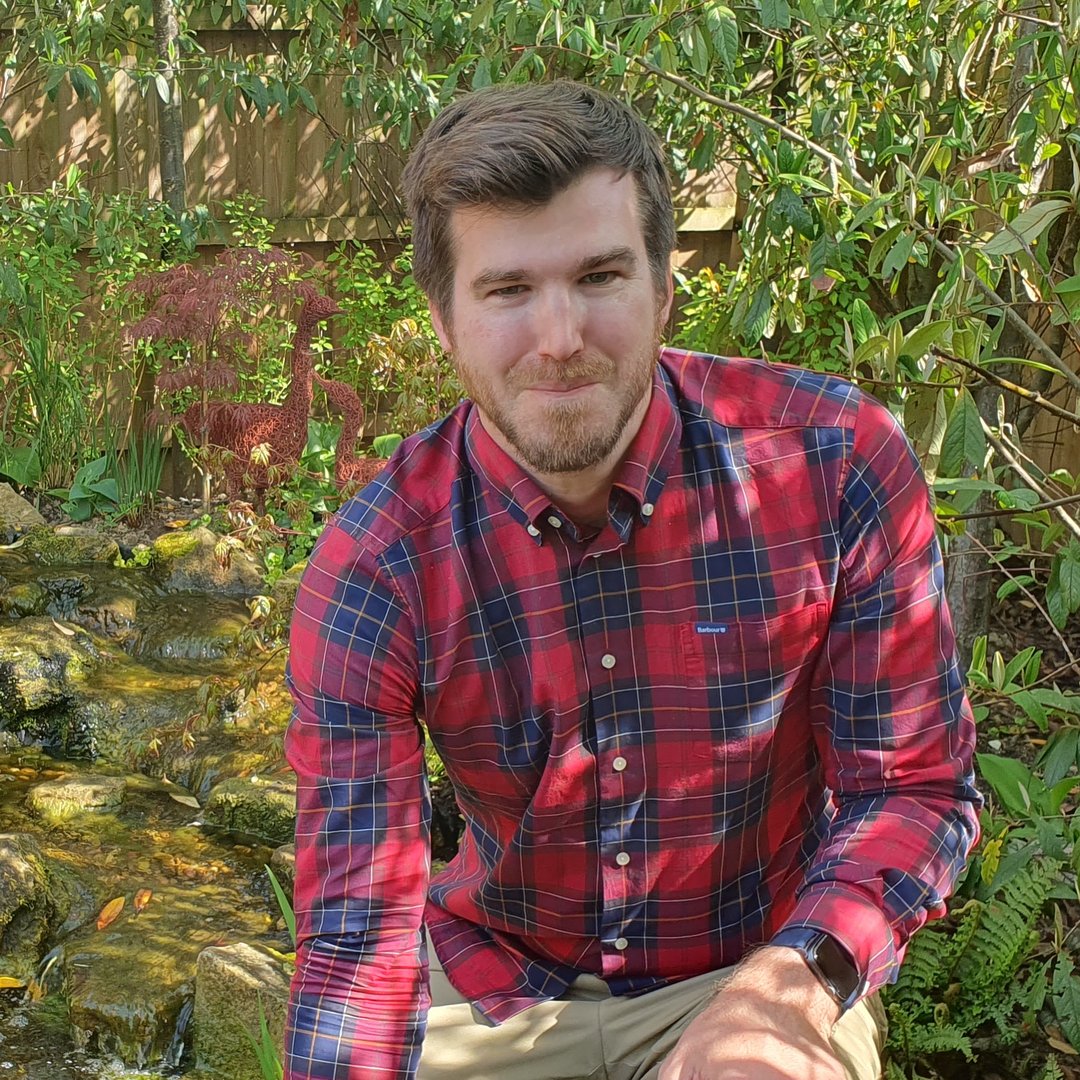
Andrew (pictured below) is a new build gardener and the visionary founder of the New Build Manifesto, a campaign championing better access to and higher quality new build spaces. As an award-winning garden designer and writer who was featured on BBC Gardeners’ World in June, 2025, Andrew embodies the creativity and passion that comes from time spent outdoors, in nature.
Follow Andrew’s journey via the links below:
Scribehound Gardening
@thenewbuildmanifesto
Photo credits – Colin Dilcock, Stephen Barstow
Filed under: Blog

