

Within Warm Walls: The Returning Light at Helmsley Walled Garden, by Andrew Jackson

It’s time to open the gates wide and welcome you back to the garden. We are almost out of the dark cloak of winter and ready to embrace new beginnings and the cheerful hues of springtime flowers, and, of course, lighter evenings.
On that note, our resident writer, Andrew Jackson, has written a beautiful piece that perfectly captures the essence of the garden as it slowly emerges from its winter dormancy and welcomes the increasing warmth of the sunlight, and most importantly, a community that cherishes all it has to offer.
Over to Andrew…
Within Warm Walls: The Returning Light at Helmsley Walled Garden
On the first of March, when the light has begun its slow northern climb and the snowdrops are already loosening winter’s grip, the gates of Helmsley Walled Garden open once more.
There is something quietly radical about a garden reopening. It suggests that time, for all its abrasions, is cyclical; that what was pared back by frost or circumstance can be coaxed again into leaf. In the case of this three-and-a-half-acre enclosure, folded into the parkland of Duncombe Park, reopening feels less like a date in the diary and more like a seasonal rite, the lifting of a green curtain on the edge of the North York Moors.
A walled garden is, by its nature, an act of optimism. Walls are built to exclude wind, deer, and sometimes despair. Within them, a different climate is conjured, a horticultural microcosm where peaches might once have ripened against warm brick and espaliered pears traced calligraphy across lime-washed stone. At Helmsley, the nineteenth-century walls still hold that stored sunlight, even in March. Press your palm against them and you can almost feel the memory of summers past.
Yet this is not a museum garden. It has known dereliction, the long pause of neglect when borders became bramble and glasshouses fell silent. Its revival over the past decades has been as much social as botanical. Volunteers, gardeners, and visitors have rewritten its story, not as a relic of estate grandeur but as a living commons. The reopening each spring is therefore communal: a gathering of hands and hopes.
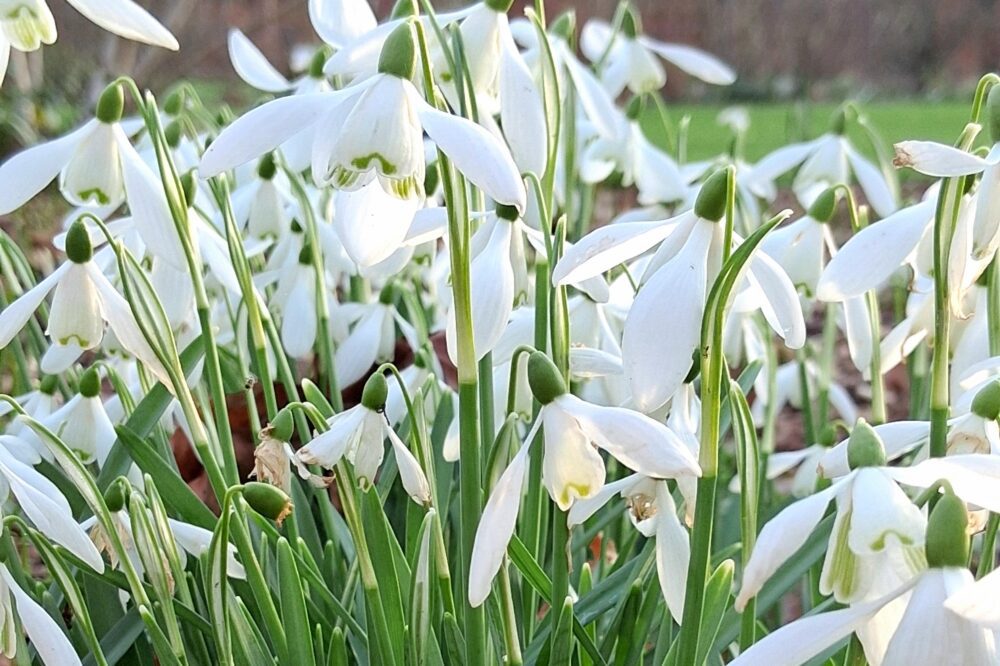
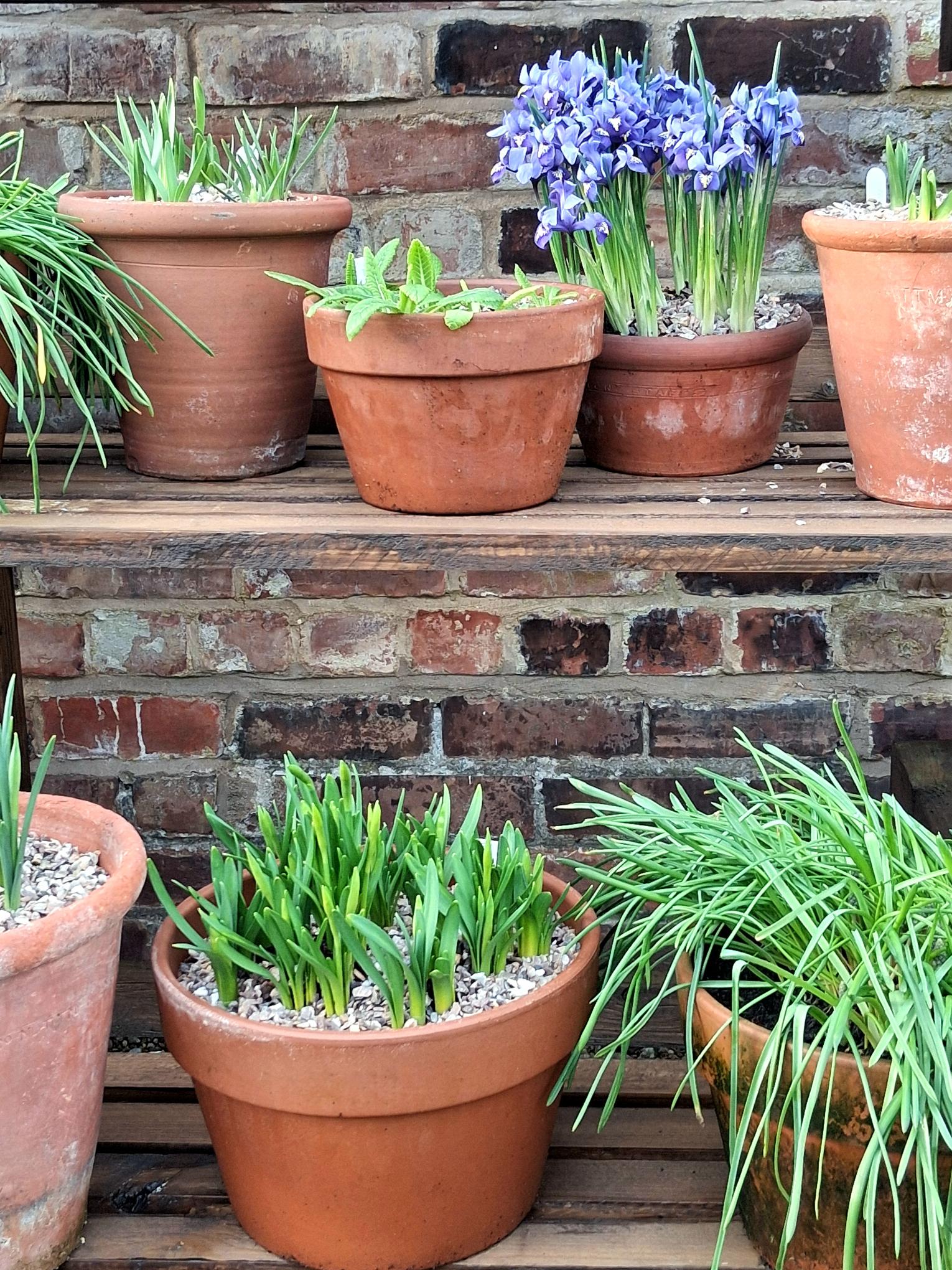
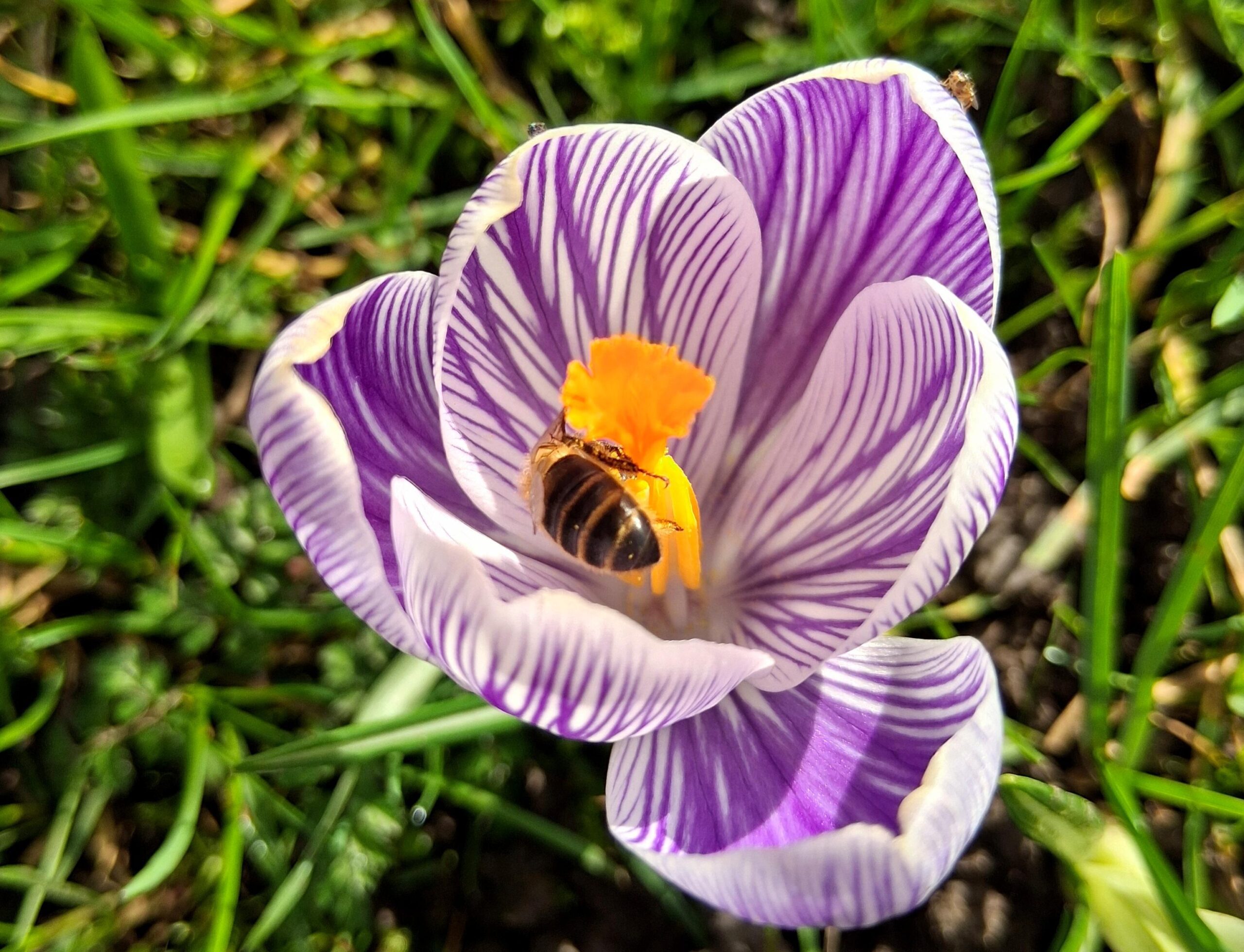
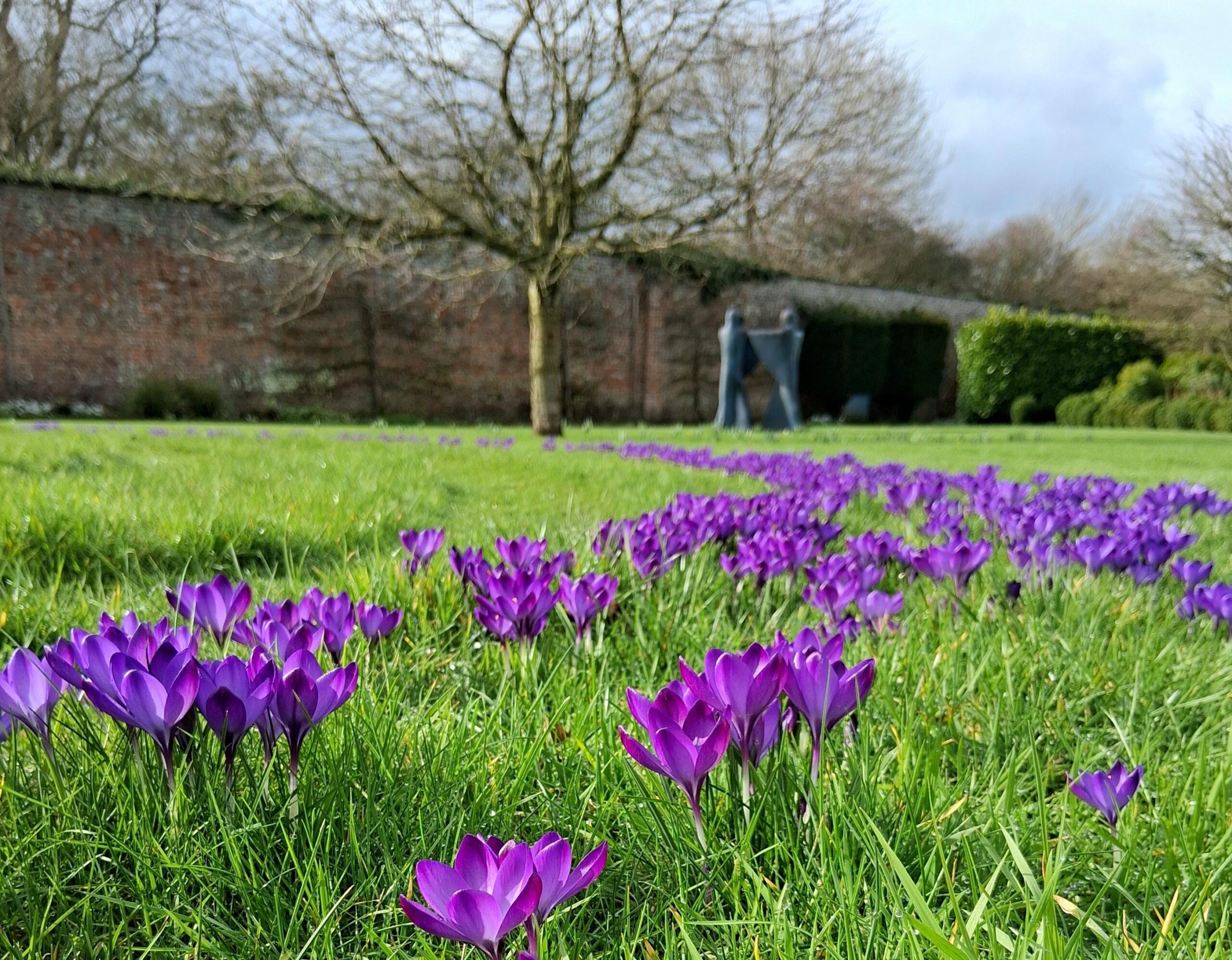
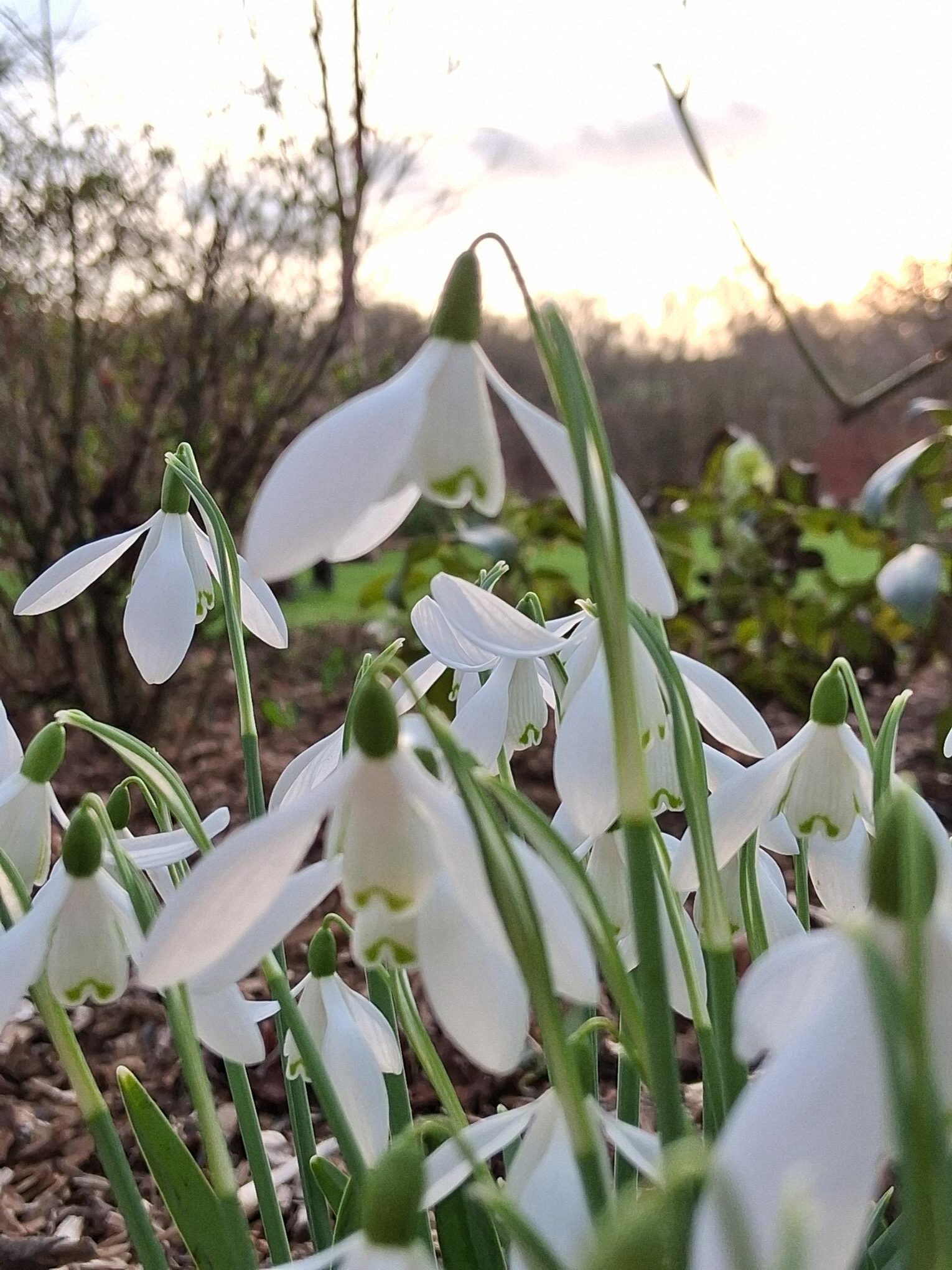
Early March is an honest time to open a garden. There are no lush distractions, no herbaceous crescendos. Instead, there is structure: the architecture of bare fruit trees, their branches stippled with swelling buds; the muscular geometry of clipped hedges; the pale spears of emerging alliums pushing through soil still dark with winter rain. Snowdrops drift like a late flurry along the paths, and the first crocuses offer their goblets to any passing bee brave enough to forage in the chill.
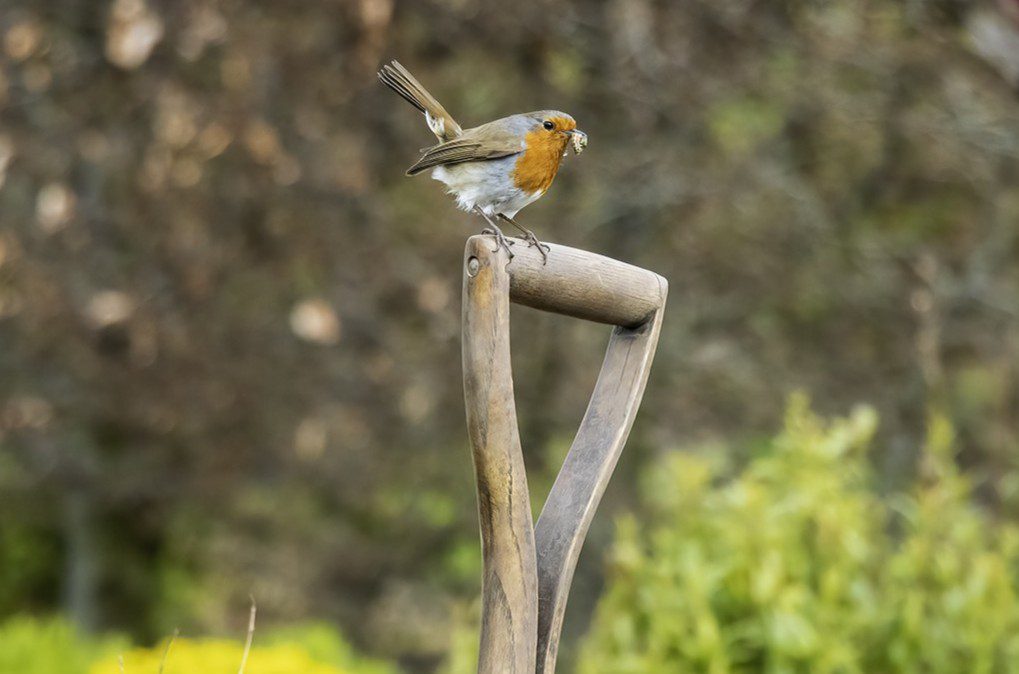
Stand still and you can hear the garden thinking. A blackbird rehearses from the top of an apple tree. Robins patrol the compost heaps with proprietary fuss. In the orchard, lichen stipples the bark in maps of sage and silver, quiet testaments to clean air and patient time. The scent is subtle but unmistakable: damp earth, leaf mould, the faint green tang of bruised shoots. It is the smell of possibility.
Helmsley’s particular gift lies in its layering. Formal potager beds rub shoulders with looser, more naturalistic planting. Productive rows of vegetables, soon to be sown with heritage carrots and frilled lettuces, coexist with borders that favour pollinators and prairie-style drifts. This is no longer simply a kitchen garden in service to a great house. It is a place where beauty and sustenance are understood as partners.
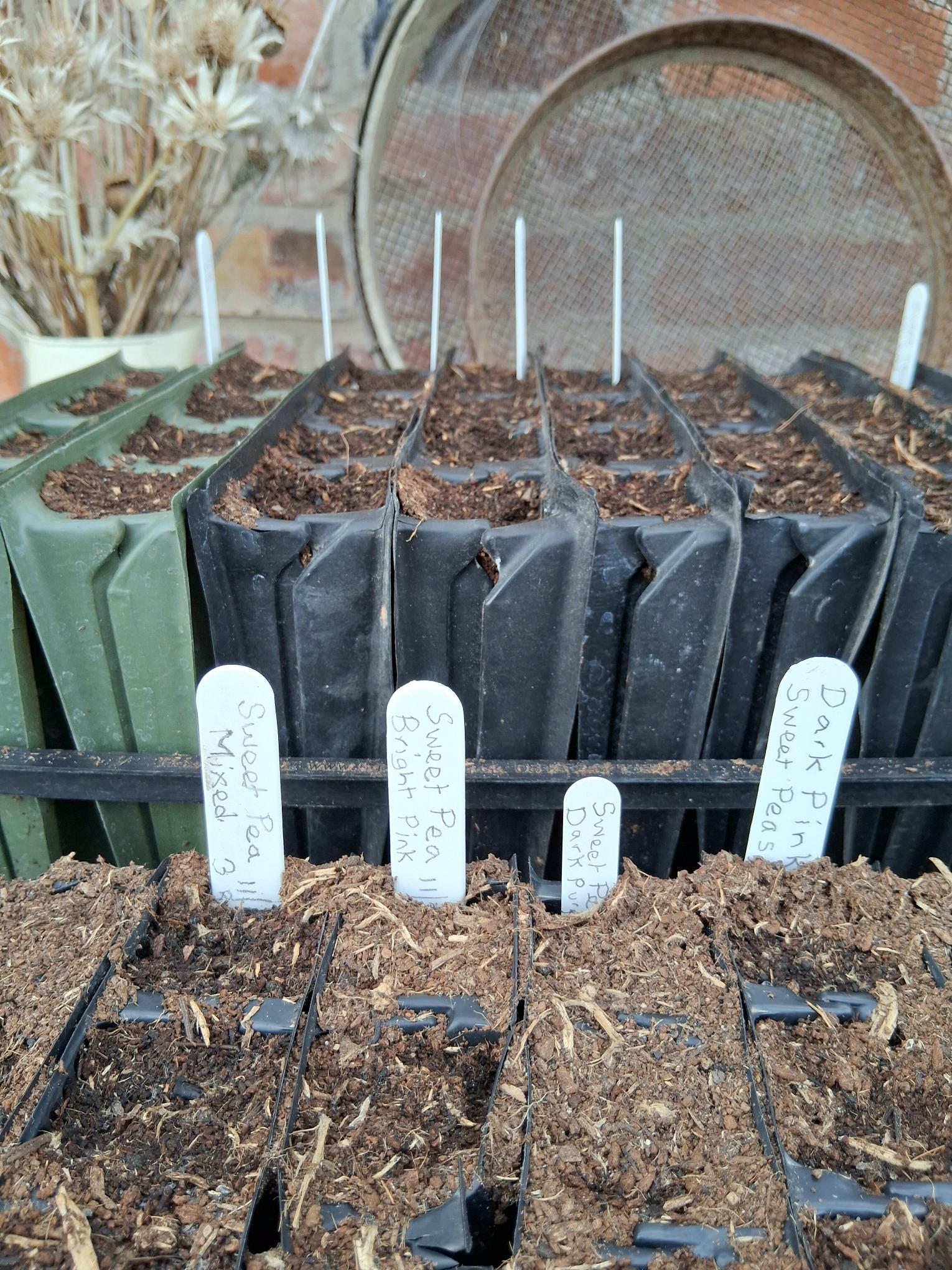
The reopening on 1st March marks the threshold between dormancy and action. Seed trays will be set out in glasshouses; canes will be driven into soil for sweet peas; the compost will steam gently in the morning air. There is an almost monastic rhythm to these tasks. To sow a seed in early spring is to engage in a quiet wager with the future. You cover it over with friable soil and trust that warmth and light will conspire in your favour.
Gardens enclosed by walls often heighten our awareness of the wider landscape beyond. From certain corners of Helmsley Walled Garden, you glimpse the wooded slopes of the Duncombe estate, and beyond that the rising moorland. The garden becomes a lens through which to view the seasons rolling across North Yorkshire. When the moors flush purple in late summer, the walled borders answer with their own chromatic fervour; when autumn mists gather in the vale, the garden’s seedheads hold droplets like strings of glass beads.
But March belongs to beginnings. It belongs to the tilt of the sun and the slow unfastening of buds. It belongs to gardeners stooping to clear away last year’s skeletons, revealing the tight coils of new growth beneath. There is humility in this work. The garden does not reopen because we command it to; it reopens because the earth has decided to turn once more toward light.
What distinguishes Helmsley is the sense of shared custodianship. Many of those who pass through its gates are not merely spectators but participants , volunteers who prune and weed, local families who return year after year to measure their own growth against that of the espaliered apples. Children learn that peas do not originate in plastic bags but in soil that must be tended. Older visitors find in the ordered beds a solace that feels both ancient and immediate.
A walled garden also sharpens our perception of enclosure and refuge. In a world that often feels gusty with distraction, these brick boundaries create a contemplative hush. You move from the open parkland into a space where the air seems fractionally warmer, the colours more saturated. It is as if the walls gather not only heat but attention. You begin to notice the fine hairs on a primrose leaf, the delicate veining of a hellebore petal, the precise spirals of unfurling fern fronds.
On reopening day, there will be a modest bustle: greetings exchanged at the gate, the soft crunch of boots on gravel, perhaps a cup of tea warming cold fingers. Yet beneath this human murmur runs a deeper current, the perennial surge of sap rising unseen. The garden is never static, even in its apparent sleep. It is always in negotiation with frost, wind, insect, and sun. To reopen it is simply to acknowledge that this negotiation continues, and that we are part of it.
In celebrating the first of March at Helmsley Walled Garden, we are really celebrating resilience. Not the brash resilience of conquest, but the quieter kind: the capacity of a place to renew itself through care and attention. The old bricks endure. The soil, enriched year by year with compost and patience, grows more generous. The gardeners, whether paid or voluntary, inherit both tradition and experiment, balancing heritage varieties with contemporary ecological awareness.
As the afternoon light lengthens and the temperature dips, the garden settles again into its early-spring poise. The gates may close for the evening, but something has shifted. The year has begun in earnest. Within those walls, seeds lie waiting, roots are stirring, and the first green haze is gathering in hedges and trees.
To step into Helmsley Walled Garden on the first of March is to enter a promise. It is to stand within brick boundaries and feel the horizon expanding. And as the days stretch and the sun climbs higher, the garden will answer that promise in leaf and bloom, reminding us that every reopening is, at heart, an act of faith in the returning light.
Andrew Jackson
Andrew (pictured below) is a new build gardener and the visionary founder of the New Build Manifesto, a campaign championing better access to and higher quality new build spaces. As an award-winning garden designer and writer who was featured on BBC Gardeners’ World in June, 2025, Andrew embodies the creativity and passion that comes from time spent outdoors, in nature.
Follow Andrew’s journey via the links below:
Scribehound Gardening
@thenewbuildmanifesto
Photo credits – Colin Dilcock, Stephen Barstow
 Filed under: Blog
